A parent guide to volunteering abroad
For families with sons or daughters who want to travel: safety, support on site, accommodation, documents, rules and the questions to ask before choosing a project.
A well-organised departure has a clear project, clear reference people and clear rules.
HeyLocals helps travellers choose a suitable project, prepare before leaving and know who to contact on site, without leaving families and young people in doubt.

What to know immediately
If you are a parent, it is normal to feel two things at once: pride on one side, fear on the other. Both make sense.
A trip abroad, especially a first one, should be taken seriously. But it should not be turned into something frightening. The useful question is not "can we eliminate every unexpected event?". The useful question is: is this departure organised seriously?
We will not tell you "do not worry about anything", because that would not be serious. We tell you something more useful: we explain what we check, what we ask from the traveller and how we manage what does not go as planned.
How we think about safety
Safety is not a generic promise. It is a series of practical choices made before departure and followed during the trip.
For us it means choosing suitable areas, working with local partners, clarifying rules and routines, preparing the traveller, using known transport and accommodation and having a support chain ready when needed.
We do not work in contexts of war, active emergency or humanitarian crisis.
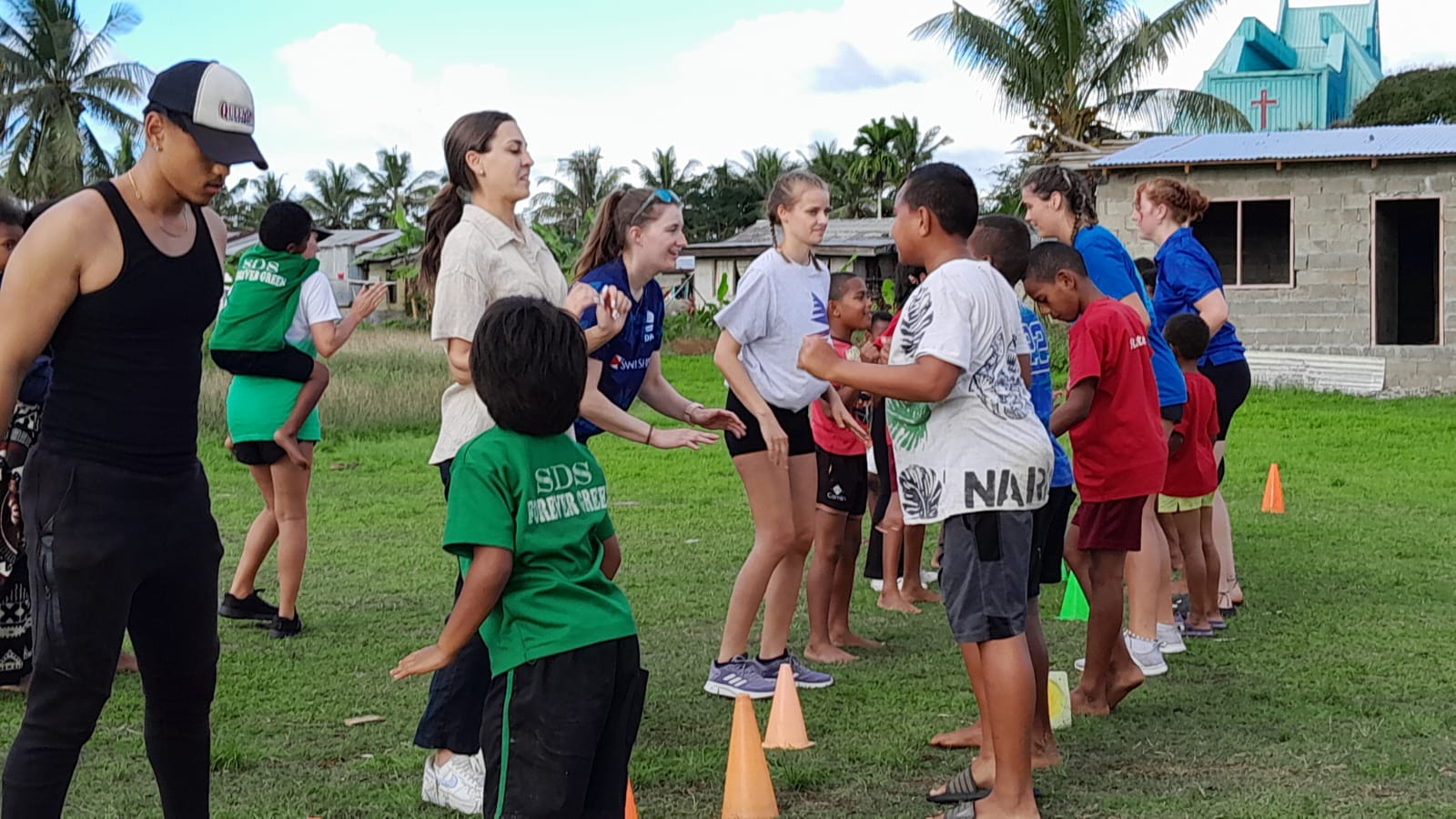
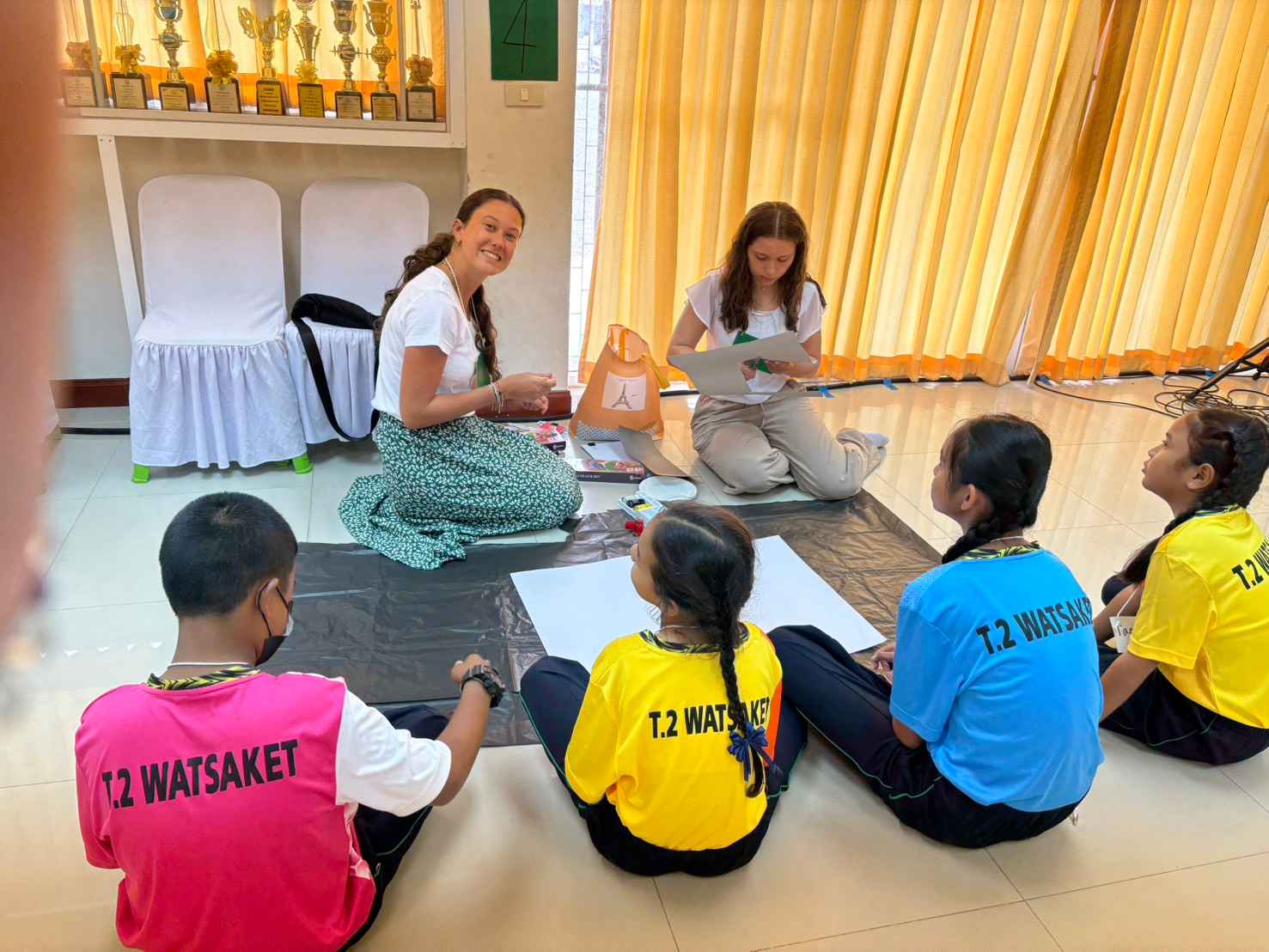
The project has staff on site, operating routines and people who know the area and community.
Accommodation, movements, times, documents and behaviour are clarified before departure and on arrival.
The traveller knows who to contact: local coordinator, HeyLocals team and useful contacts.
We do not offer departures in contexts of war, active emergency or humanitarian crisis. The areas where we work are normally calm, inhabited and also crossed by students, volunteers and travellers. This does not mean every unexpected event disappears; it means the departure starts in a context that has been assessed, is known and is followed.
What we do before departure
A parent's peace of mind often starts before the trip, not during it.
The better a departure is explained in advance, the less it becomes a black box. This is why preparation is not only "book and go": it is orientation, practical information, clear expectations and a simple way to know who to contact.
We help understand which destination and activity are most suitable based on age, autonomy, experience and available period.
Accommodation, meals, transfers, routine, free days, house rules and contacts are made clear before departure.
We indicate what to check regarding passport, visa, insurance and destination requirements. Health choices must always be confirmed with a doctor.
Before departure and on arrival, behaviour, movements, useful numbers and what to do if help is needed are clarified. The goal is that the traveller feels oriented, not left to improvise.
- Your son or daughter can explain why they want to leave
- They accept shared rules without seeing them as a nuisance
- They are willing to prepare, not only to "have an experience"
- They understand that volunteering is not a holiday in disguise
- They want to leave only because "everyone is doing it"
- They do not want to read practical information or rules
- They have unrealistic expectations about comfort and freedom
- They become irritated as soon as responsibility is mentioned
If something happens, who does what?
The question is not uncomfortable. It is the right question.
An illness, a lost document, a changed flight or a moment of strong homesickness should not be managed with panic. They should be managed calmly, with reference people and a clear chain.
The local coordinator is the first reference: they know the house, project, area and daily routine.
The team remains reachable from Italy, in Italian, to help coordinate practical steps and communication.
The information collected before departure helps activate the policy, medical facilities and document copies without losing time.
When needed or when agreed, the family receives clear and orderly updates.
If the participant is an adult, we respect their autonomy and privacy. At the same time, we can agree in advance on ways to update the family, especially for first departures. For minors, parental involvement is a natural part of the process.
Practical advice for parents
Your role is not to control every detail. It is to help your son or daughter leave clear-headed and with good habits.
A well-organised departure does not remove autonomy. It makes it safer.
The questions to ask before saying yes
These questions work with us and with any other organisation. Here you will also find how HeyLocals answers: concretely, with references, preparation, rules and useful pages to read before confirming.
| Question | The answer you should receive | HeyLocals guarantee |
|---|---|---|
| Who follows my child on site? | Name/role of the local reference person, contacts and support method. | Before departure we clarify who the local reference people are and how the support chain works between project, on-site team and HeyLocals. The full picture is also explained in the emergencies and support section. |
| Where will they sleep? | Type of accommodation, house rules, essential standards and location. | We use accommodation connected to the project or local network, with routines, rules and practical guidance explained in advance. The goal is that your child knows where they arrive, who they live with and what behaviour to follow. |
| What will they do during the project? | Activities, hours, role limits and presence of local staff. | The volunteer role is defined before departure: support, presence and activities suited to age and context, without replacing local staff. To understand our method, read how we choose projects. |
| What happens if they get sick? | Procedure, reference facilities, insurance and contacts to activate. | Before departure we collect useful information and remind travellers which documents, insurance and contacts should always be available. If needed, the local reference person and HeyLocals team help with the practical steps. |
| What rules must they follow? | Code of conduct, times, movements, guests, substances and forbidden behaviour. | The rules are explained before departure and repeated on arrival: they protect the traveller, the group and the local community. Practical preparation is part of the journey, not a detail left to improvisation. |
| Where does the money go? | Fee explained: meals, accommodation, coordination, support and local costs. | We explain what the fee includes and why a responsible volunteering trip requires organisational, local and support costs. To go deeper, read the guide why volunteering abroad has a cost. |
Read next: connect this page with how we choose projects, why the trips have a cost and the guide to volunteer organisations.
If you are a parent, the best thing is to ask questions before.
We can help you understand whether the project is suitable, what to expect and what practical steps are needed before departure, with a simple conversation and no pressure.
Talk to us Take the questionnaire