Volunteer and educational trips for schools
We design educational experiences abroad from one week upwards, with volunteer activities, contact with local communities, student preparation and operational support.
One page to understand what we organise, how we work and what information is needed to build a proposal.
It is designed for teachers, academic coordinators, representatives, parents and school leadership teams who want to assess an educational trip with HeyLocals.
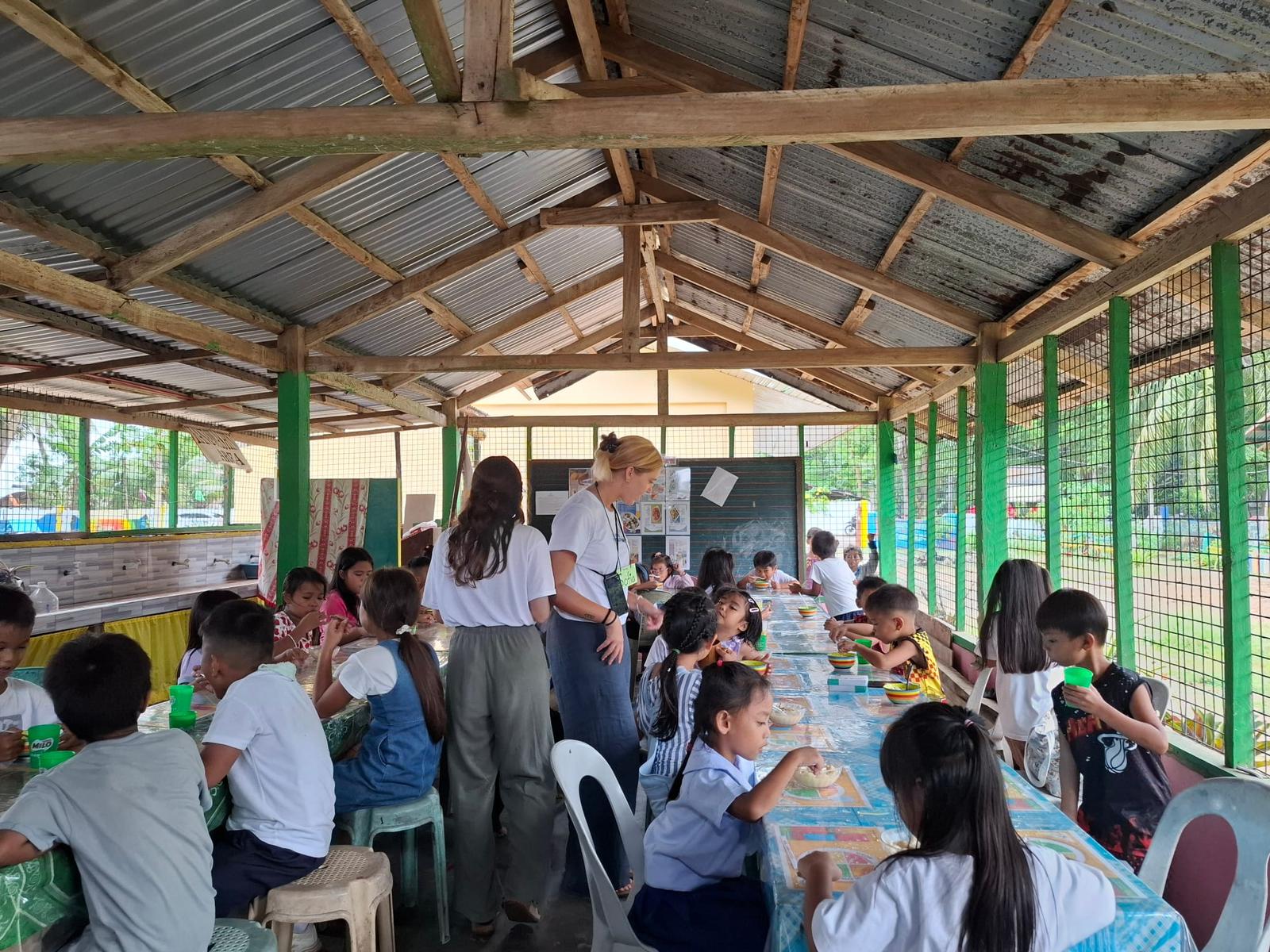
What we offer
A school trip that is not only a destination, but a path: preparation, field experience and reflection afterwards.
We build volunteer and educational trips abroad for school groups, high schools, private institutes, classes, mixed groups and extracurricular paths. Every proposal starts from educational goals, student age, calendar, number of participants and the level of accompaniment required.
We do not turn a school trip into superficial volunteering. We build a path where students understand context, role, limits and responsibility.
Who it is for
The same experience must speak to different audiences: students, families, teachers and school contacts.
They experience project, group, autonomy, responsibility and contact with different social and cultural contexts.
They have a clear path to connect to learning goals, civic education, work-related learning or orientation.
They receive information on accommodation, programme, safety, documents, insurance and reference people.
It assesses proposal, calendar, roles, responsibilities and operating methods before confirming.
.jpg)
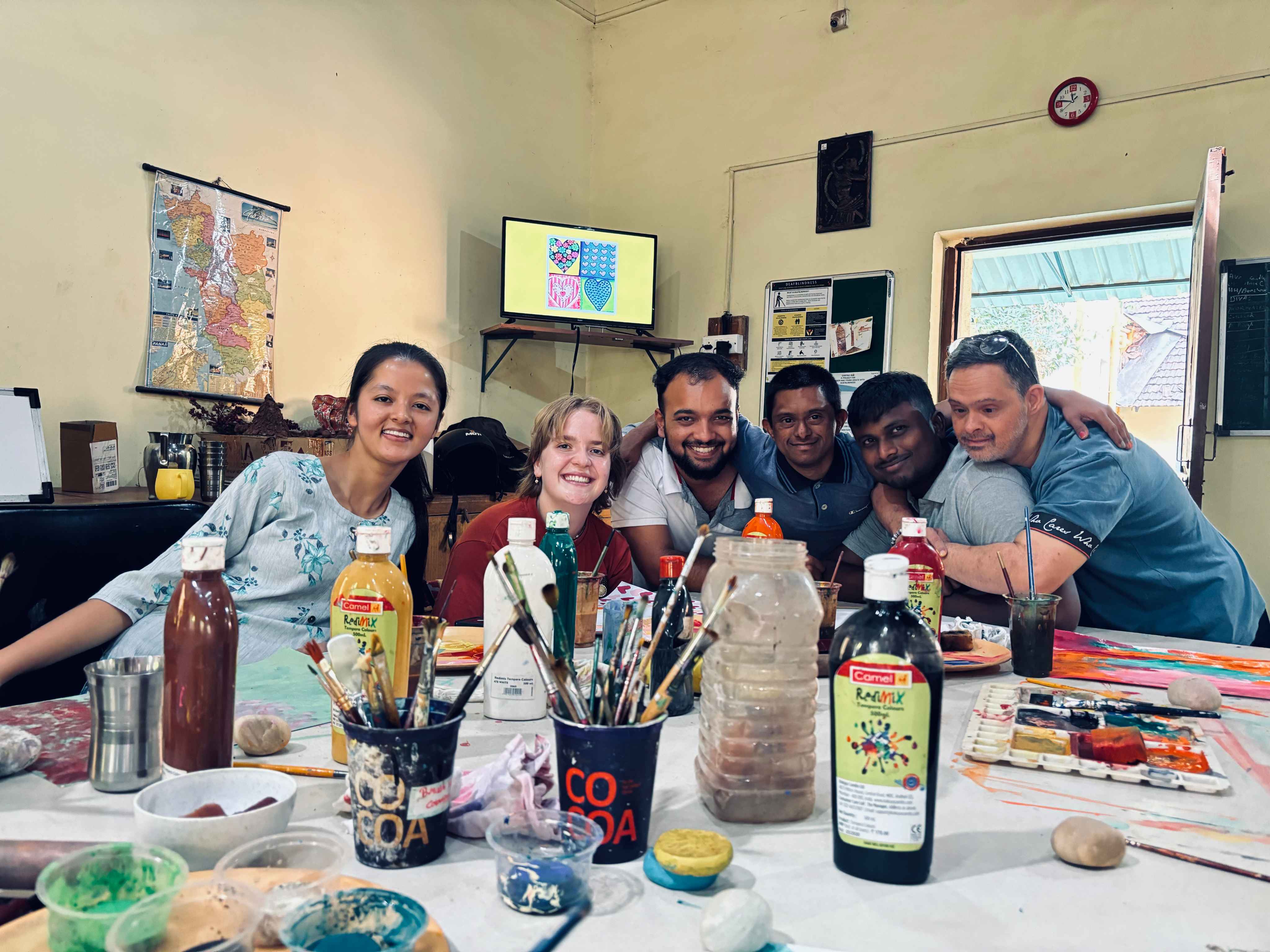
How we organise it
We start from a conversation, not from a standard package.
The process is there to understand whether the trip makes sense for that specific group. If a destination, activity or duration is not suitable, we say so and suggest stronger alternatives.
Goals, age, number of students, calendar, indicative budget, constraints and expectations from the school.
Destination, activities, duration, accommodation, reference people, logistics and steps to validate with the institute.
Meeting with students, families and teachers about programme, rules, documents and behaviour.
Operational programme, local reference people, support channels and organised routine on site.
We can help the school make the most of the experience through reflection, certificates, narrative material, debriefing moments or useful content to tell the project to the school community.
Programme and educational goals
The trip can connect to civic education, orientation, work-related learning, global citizenship, sustainability or language and intercultural paths.
Not every school is looking for the same thing. Some want a group and personal growth experience, others a project closer to work-related learning, environmental education, cooperation, language or community service. The initial work is there to choose well.
Activities with schools, centres, communities or local programmes, always in a support role with staff present.
Experiences connected to conservation, agriculture, biodiversity, local territory or environmental education.
Discussion moments, cultural briefings, group activities and processing of the experience.
We can provide programme, goals, activities, participation certificate and reflection materials. Agreement, recognised hours and validation remain the responsibility of the institute.
Scroll the table to the right to read everything.
| Information to share | Why it is needed | Example |
|---|---|---|
| Age and class | Helps assess autonomy, documents, rules and type of activity. | Third year high school, mixed group aged 16-17. |
| Period and duration | Affects project availability, flights, climate, calendar and intensity. | One week in March, or 10-14 days in summer. |
| Educational goal | Allows us to choose activities and reflection coherent with the school. | Civic education, work-related learning, sustainability, language, orientation. |
| Number of students | Needed for logistics, accommodation, reference people, transport and activities. | 15 students and 2 accompanying teachers. |
| Specific needs | Health, food, accessibility and documents must be assessed beforehand. | Allergies, educational needs, medication, dietary limitations. |
Costs and variables
It makes no sense to give one price without knowing group, period and goals.
A proposal for a school must be readable, comparable and presentable. This is why we separate the main variables and help the institute understand what really affects the budget.
- Destination, season and flight availability
- Programme duration and number of students
- Accommodation, meals and local transport
- Activities, reference people, accompaniment and materials
- Insurance, documents and specific needs
- What is included and what remains excluded
- Roles of school, families and HeyLocals
- Deadlines, deposits and operating conditions
- Any extras linked to health, accessibility or logistics
- Useful materials for presenting the trip to families and leadership
We start from a realistic range only after the initial brief. This way the school does not receive an abstract figure, but a proposal built around the group's real needs.
Safety and support
For a school, safety cannot be a reassuring phrase. It must be a visible system.
Every proposal must clarify accommodation, movements, reference people, rules, insurance, documents, useful contacts, planned activities and the limits of the students' role. This makes the trip easier for families and leadership to assess too.
- Programme and planned activities
- Accommodation, meals and local movements
- Reference people and partners on site
- Rules, code of conduct and role limits
- Information on insurance and documents
- Roles of teachers, reference people and escorts
- Communication with families and institute
- Management of unexpected events, health and returns
- Authorisations for minors
- Specific needs of the group
Itinerary, planned activities, limits of the students' role, daily rhythm and preparation moments.
Accommodation, transport, meals, local reference people, useful contacts and practical guidance for the group.
Procedures for health, insurance, emergencies, returns and communication with school and families.
Useful information to present the trip to leadership, teachers, students and parents with less ambiguity.
More context: to assess the HeyLocals method, we also recommend looking at the active projects, the documents and families section on this page and the before you leave page.
Documents, families and communication
A good proposal must also be understandable for those who were not in the first meeting.
This is why we recommend an information moment for students and families, with programme, goals, rules, documents, insurance, accommodation, reference people and contacts. The more orderly the information is before departure, the less the trip becomes a black box.
.jpeg)
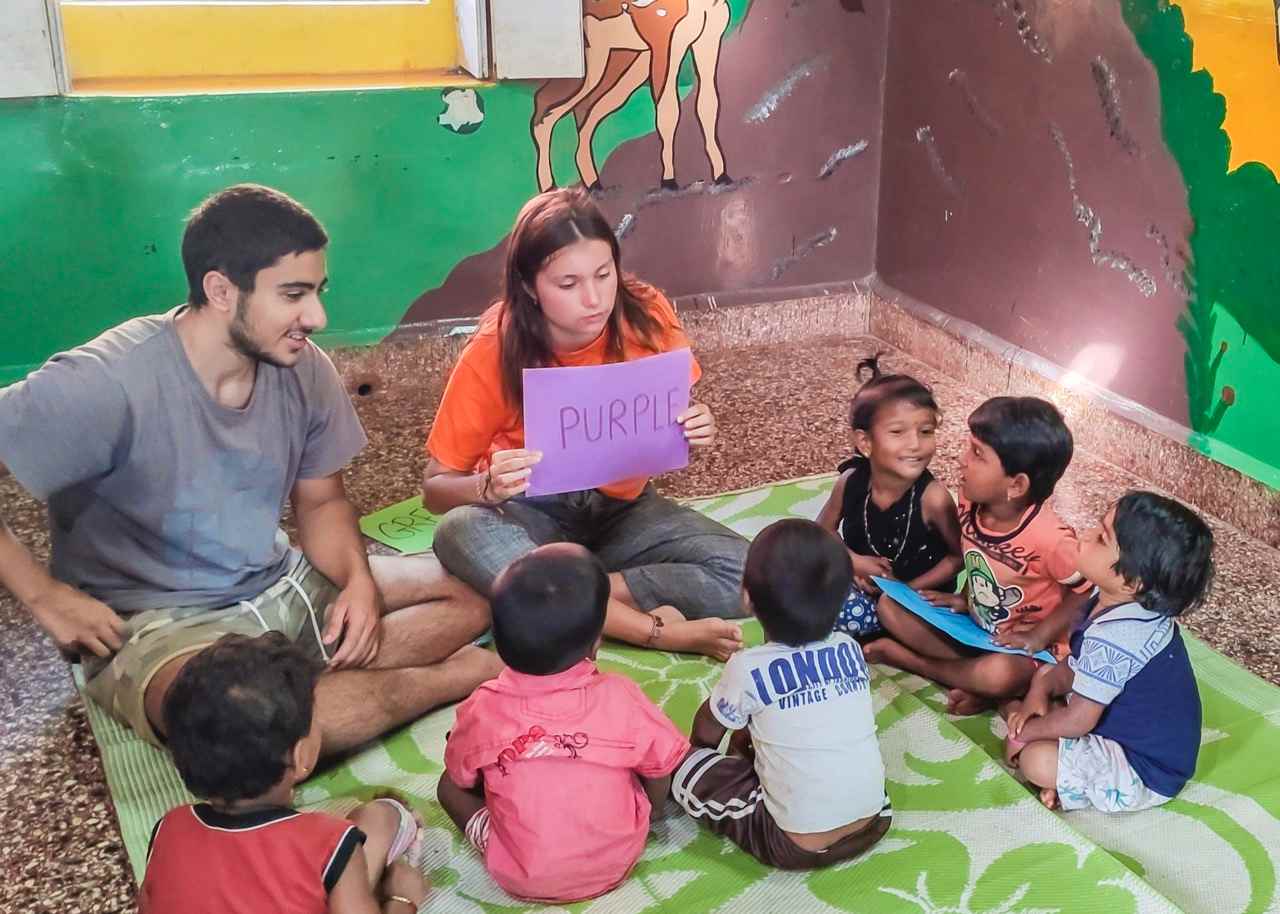
If the group includes minors, the path requires authorisations, dedicated communication and a more careful assessment of destination, accommodation, accompaniment and activities. Not every departure is suitable for every age: it is better to clarify this immediately.
A school does not need a generic brochure.
It needs to understand whether the trip is suitable for its students, how it is managed and what steps are needed to present it to families and leadership.
Request a first proposal See HeyLocals projectsFrequently asked questions from schools
Request information
Write to us with role, school, possible period and educational goal. The first step is to understand whether we can build a solid proposal, suitable for your students and presentable to families and leadership.
You can use this page as a link to send to representatives, teachers, leadership, parents or interested students. For a first assessment, a few concrete details are enough.
Useful links to share: projects, documents and families, before you leave, student questionnaire.
Contact the schools team
For a first assessment, you do not need to have everything decided already. A few details are enough to understand whether the trip is feasible and which format makes the most sense.